Understanding the Market of Counterfeit Fake Money: A Deep Dive into Business Opportunities and Risks
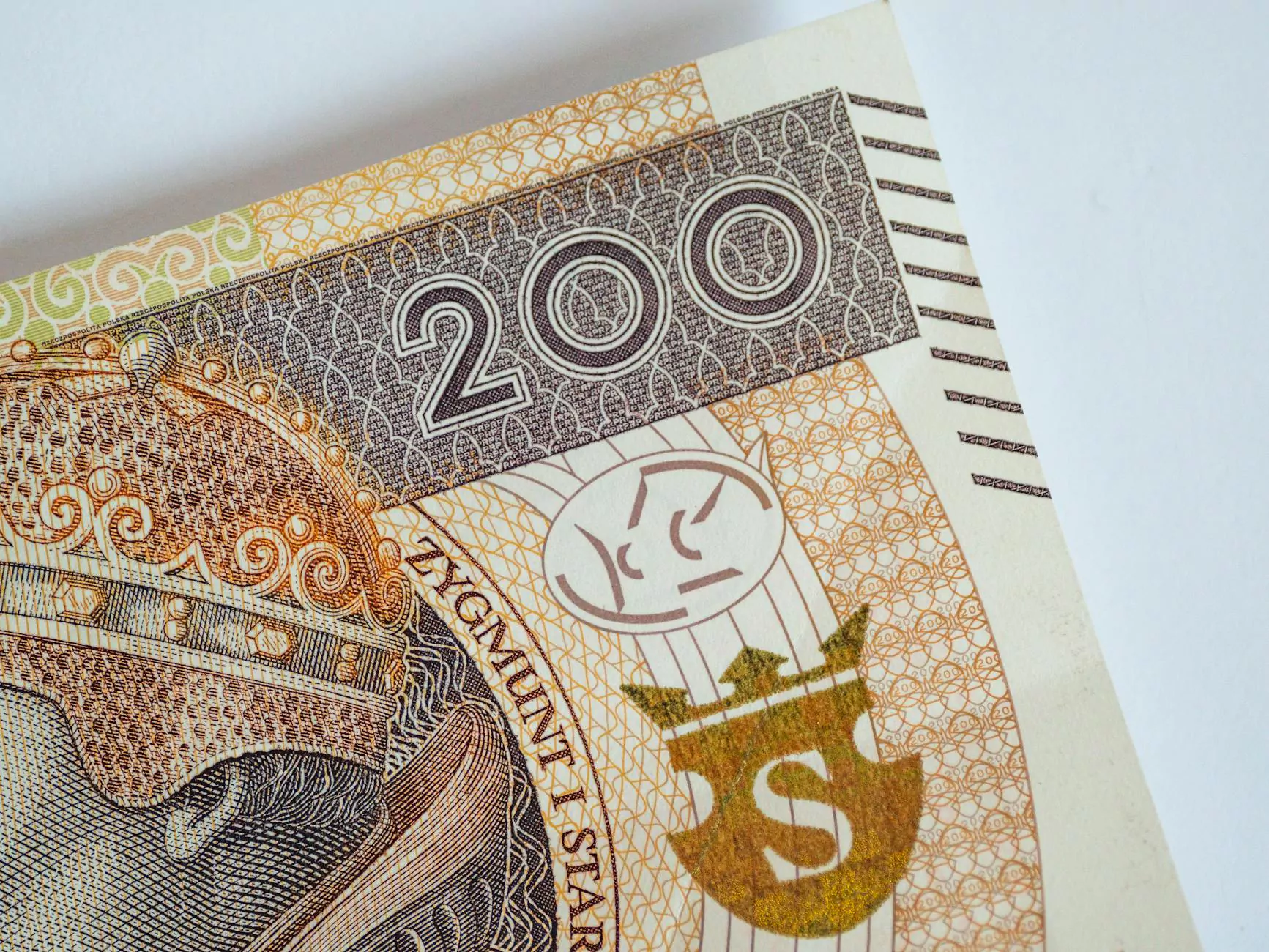
In the complex landscape of the global economy, few commodities evoke as much controversy and intrigue as counterfeit fake money. Despite the numerous legal and ethical constraints surrounding its production and distribution, this clandestine sector continues to operate, fueled by high demand, technological advances, and the lucrative nature of the trade. This comprehensive analysis explores the multifaceted world of counterfeit fake money, shedding light on the business models, technological processes, market dynamics, and legal ramifications involved. For businesses like counterfeitprintlab.com, understanding this domain is essential not just for market insight but also for developing competitive strategies and risk mitigation.
What Is Counterfeit Fake Money?
At its core, counterfeit fake money refers to currency that has been illegally produced to mimic genuine banknotes with the intent to deceive. The primary objective for counterfeiters is to replace authentic currency in circulation, thereby facilitating illegal transactions, money laundering, or illicit profit-making. Modern counterfeit money often exhibits high-quality features that can deceive even trained eyes, thanks to advances in printing technology and sophisticated design techniques.
The Business of Counterfeit Fake Money: An Overview
While illegal, the counterfeit fake money industry functions within a clandestine marketplace characterized by its own micro-economies, distribution networks, and specialized territories. The purpose of understanding this business is twofold: to comprehend the threat landscape faced by legitimate financial institutions and to explore how some companies, such as counterfeitprintlab.com, operate in the fringe industries—often offering high-quality printing services that can be misused for counterfeit production.
Market Demand and Supply Dynamics
- High Demand in Illicit Markets: Criminal organizations, illegal traders, and money launderers seek reliable sources of counterfeit currency to facilitate illegal transactions, evade detection, or stockpile resources.
- Supply Channels: Supplies typically originate from underground printing labs equipped with advanced printing technologies that replicate the intricate security features of real banknotes.
- Global Reach: Counterfeit money markets span across borders, operating in regions where regulatory oversight is weak or where access to genuine currency is limited.
The Role of Advanced Printing Technologies
Modern counterfeiters leverage cutting-edge printing equipment such as high-resolution color copiers, offset presses, and specialized printers capable of reproducing complex security features like holograms, watermarks, UV features, and microtext. Services provided by counterfeitprintlab.com include high-fidelity printing templates, custom security foil creation, and replica security features, making the counterfeit fake money increasingly indistinguishable from genuine notes.
Legal and Ethical Consequences of Trafficking in Counterfeit Fake Money
Engaging in or facilitating the production of counterfeit fake money is a severe crime in most jurisdictions worldwide. Law enforcement agencies see counterfeit currency as a direct threat to economic stability and financial integrity. Penalties for involvement can include hefty fines, imprisonment, and asset confiscation. Additionally, businesses operating in this space face reputational damage, legal action, and financial ruin if caught. It’s crucial to understand that even selling equipment or providing services related to counterfeit currency can have dire legal consequences.
How Counterfeitprintlab.com Navigates the Market
Operating in an inherently illegal sector, companies like counterfeitprintlab.com often maintain strict confidentiality and compliance measures. They focus on producing highly detailed printing solutions, counterfeit security features, and counterfeit note templates for use in non-legitimate activities. These entities may argue that their services are intended for educational purposes, art projects, or legal simulations, but the line between lawful and illicit use is often blurred. The success of such companies depends on their ability to adapt to new security measures and technological advancements to stay ahead of detection methods used by authorities.
Technological Innovation and Counterfeit Money
One of the most critical factors that enable the proliferation of counterfeit fake money is continuous technological innovation. Below are some key technological aspects shaping this market:
High-Resolution Digital Printing
State-of-the-art digital printers can reproduce the complex images, color gradations, and security features found on real currency. Advanced software allows for precise alignment and replication of security threads, holograms, and microtext.
Security Feature Replication
Counterfeiters now have access to high-quality foils, holographic patches, and UV-reactive inks that mimic genuine security features. These are often sourced from legitimate suppliers that also serve the securities industry.
Laser Engraving and Microprinting
Laser technology enables the creation of microtext, fine lines, and detailed textures that are difficult to distinguish from authentic currency with the naked eye. Such precision contributes significantly to the realism of counterfeit bills.
Authentication Bypass Techniques
Counterfeiters develop techniques to bypass existing detection apparatus, including colored UV inks, holographic overlays, and other covert security features, making counterfeit fake money harder to identify by machines and human inspection alike.
The Legal and Ethical Risks for Businesses Providing Printing Services for Counterfeit Money
Businesses like counterfeitprintlab.com operate in a murky legal environment. While they may advertise their services for legitimate purposes such as security testing, art, or educational simulations, the potential misuse is a significant concern. Legal risks include:
- Criminal prosecution: Producing or knowingly facilitating counterfeit currency creation can lead to charges of conspiracy, manufacturing of counterfeit money, or aiding and abetting.
- Seizure and shutdown: Law enforcement agencies actively monitor and seize equipment used in counterfeit money production.
- Reputational damage: Being associated with illicit activities can severely tarnish a company's image and viability.
- Financial penalties: Substantial fines and seizure of assets are common penalties for violations.
Counterfeit Money Business – Ethical Considerations and Future Outlook
The enormous risks and moral implications make it clear that the counterfeit fake money industry is fraught with dangers for all parties involved. From a societal perspective, this black market undermines economic stability, fuels illegal enterprises, and erodes public trust in financial systems. However, understanding the technological and market dynamics can help legitimate businesses in financial security, such as banks and government agencies, develop better detection and prevention systems.
Looking ahead, technological evolution will continue to challenge detection capabilities. Artificial intelligence, machine learning, and blockchain technologies are increasingly being integrated into anti-counterfeiting measures. Meanwhile, counterfeiting labs like counterfeitprintlab.com adapt their services to meet emerging needs—posing ongoing challenges for law enforcement and financial institutions.
Final Thoughts: Navigating the Dangerous Waters of Counterfeit Currency
In conclusion, the counterfeit fake money industry operates in a shadowy ecology characterized by innovation, high risks, and significant legal consequences. While some businesses like counterfeitprintlab.com may offer services that seem lucrative, it is vital to acknowledge the moral and legal boundaries involved. The best approach for responsible enterprises and professionals is to focus on innovation within legitimate security and anti-counterfeiting fields, leveraging the advances in technology to protect and secure genuine currency.
Understanding the technical, legal, and operational elements of counterfeit currency production is crucial for staying ahead in the ongoing battle against financial crimes. Only through informed awareness and ethical conduct can the integrity of global financial systems be preserved.