CHICOPEE
WELDING & TOOL
Menu

CHICOPEE WELDING & TOOL

Welding,
fabrication & repair.

Understand the work, the material and the tools. Explore welding services and useful information for describing a fabrication or repair project.

Explore welding services
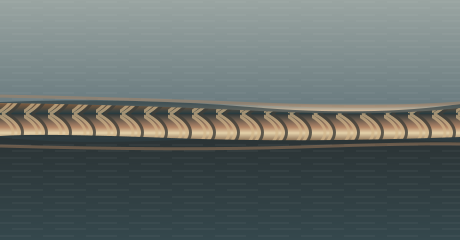
STEEL / JOINT DETAILILLUSTRATION, NOT PROJECT WORK

01 / THE WORK

Two starting points.
One clear description.

MAKING SOMETHING

Fabrication starts with a purpose.

The fabrication discussion starts with what an item needs to do. Shape, dimensions, material and the way separate parts fit together all contribute to that description. A drawing can make an idea easier to discuss, particularly when a component must fit an existing space or assembly.

Separate requirements from preferences. An essential dimension serves a different purpose from a preferred finish, and an expected use provides context that a sketch alone may not show. Read the service overview before putting those details together.

ASSESSING SOMETHING EXISTING

Repair starts with condition.

A repair concerns an item that already exists. Its material, visible damage, earlier alterations and intended use shape the questions that need answering. Describing what happened and what has changed is often more useful than naming a repair method in advance.

Appearance alone cannot establish an item's strength or suitability for use. Keep observations distinct from assumptions, particularly where a part carries a load or affects safety. The Welding Repairs article is a further reading point for this subject.

02 / TOOL LANGUAGE

Know the category.
Then ask the right question.

Tool names describe different parts of a welding system. This glossary introduces the categories without implying that any particular item is available or right for a project.

Machines
Welding machines supply and control the energy used by a process. The relevant questions concern the application, material and compatible equipment; a familiar process name alone does not settle a machine choice.
Torches & holders
These connect the operator's working tool to the wider system. Design and compatibility vary by process, so terms that sound similar should not be treated as interchangeable specifications.
Consumables
Consumables are materials or components used up or replaced during work. Their selection relates to the process and base material. Product documentation supplies details that a broad category description cannot.
Protective equipment
Protective equipment belongs within a complete approach to workplace safety. Requirements depend on the hazards and setting; choosing individual items is not a substitute for a suitable assessment or qualified instruction.

03 / PROJECT INFORMATION

Questions before
the work begins.

Use these answers to organize a description and find the next relevant page.

What does Chicopee Welding & Tool cover?

Chicopee Welding & Tool aggregates information regarding welding services, metal fabrication, repairs, and welding tools. Begin with the Services section to explore that subject, or use the reading links below for a more specific topic. A general introduction cannot confirm whether a particular project can be accepted.

How is fabrication different from repair?

Fabrication concerns making an item or assembly to a defined purpose, while repair concerns an existing item and its condition. A useful project description makes that distinction clear. For a repair, explain what has changed; for fabrication, describe the intended function and any drawings or dimensions already available.

What information helps describe a welding project?

A clear description includes the item, its intended use, the material if known, and the reason work is being considered. Overall dimensions, access restrictions and existing drawings can provide context. Distinguish confirmed facts from estimates so that any later discussion starts with a shared understanding of the item.

Can a photograph establish whether an item is repairable?

A photograph can help explain visible damage and the surrounding assembly, but it does not establish repairability. Material condition, hidden defects, loading and previous work may require assessment. Treat images as context, and do not rely on appearance alone to decide whether an item is suitable for continued use.

What do MIG, TIG and arc welding refer to?

MIG, TIG and arc welding are terms used when discussing welding processes; MIG and TIG are themselves forms of arc welding. Their appropriateness depends on the material and the application. Recognizing the names can help you read service information, but selecting a process calls for project-specific technical judgment.

How should I approach welding-tool information?

Start with the task and the material rather than a product name. Machines, torches, consumables and protective equipment serve different roles within a working system. Compatibility and manufacturer documentation matter. General tool descriptions are useful background, but they do not establish current stock, pricing or suitability for a particular application.

Should I include a drawing or measurements?

Indeed, an existing drawing or a brief description of the relevant dimensions can clarify your meaning. Specify units and indicate which measurements are approximate. Keep the intended function alongside the dimensions: matching a shape does not, by itself, explain the performance or loading expected of a finished assembly.

Where can I continue reading on this site?

Use the service overview and Welding Repairs for repair-related reading. About introduces the site, while Blog and Other provide additional browsing routes. These sections offer starting points for understanding the available information; individual articles should be read in the context of their own subject and publication date.
04 / CONTINUE READING

Follow the subject.

Часто задаваемые вопросы

В чем разница между изготовлением (fabrication) и ремонтом?

Изготовление касается создания нового предмета или сборки для определенной цели, тогда как ремонт относится к существующему предмету и его текущему состоянию. В описании проекта важно четко разделить эти понятия: для ремонта указать, что изменилось, а для изготовления — описать предполагаемую функцию и доступные чертежи.

Может ли фотография определить, подлежит ли предмет ремонту?

Фотография помогает объяснить видимые повреждения и окружающую сборку, но не устанавливает возможность ремонта окончательно. Состояние материала, скрытые дефекты, нагрузка и предыдущие работы могут потребовать дополнительной оценки, поэтому не стоит полагаться только на внешний вид.

Какую информацию следует предоставить для описания проекта по сварке?

Ясное описание должно включать предмет, его предполагаемое использование, материал (если известен) и причину проведения работ. Полезно указать общие размеры, ограничения по доступу и существующие чертежи, четко разделяя подтвержденные факты и предположения.

Что означают термины MIG, TIG и дуговая сварка?

MIG, TIG и дуговая сварка — это термины, используемые при обсуждении процессов сварки, где MIG и TIG являются формами дуговой сварки. Их выбор зависит от материала и применения, а распознавание названий помогает читать информацию о услугах, но окончательный технический выбор требует учета специфики проекта.